
Understand HIFU treatment
High-Intensity Focused Ultrasound (HIFU) is a non-invasive treatment approach that uses focused ultrasound energy to create a therapeutic effect within targeted tissue. For selected uterine fibroids, HIFU can be used to treat the fibroid without surgically removing the uterus or making a surgical incision. Whether HIFU is appropriate depends on the individual patient, the characteristics and location of the fibroids, imaging findings and clinical assessment.
WHAT IS HIFU?
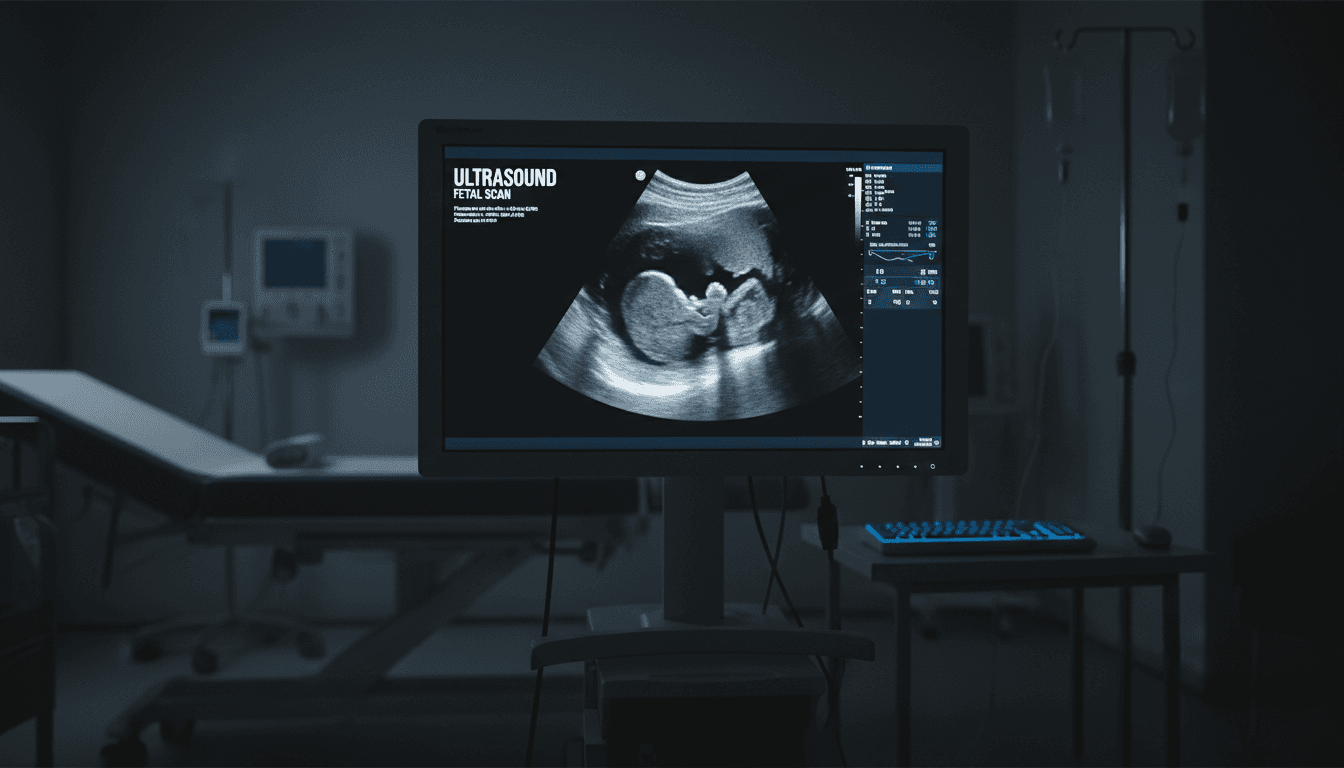
HIFU stands for High-Intensity Focused Ultrasound. Unlike conventional surgery, HIFU uses focused acoustic energy delivered through the body to create a therapeutic effect at a selected target. In HIFU treatment for uterine fibroids, ultrasound imaging can be used to identify and monitor the target while focused ultrasound energy is delivered to the treatment area. Focused ultrasound works by concentrating acoustic energy at a focal region, producing a localised thermal effect that can ablate targeted tissue.

01 — ASSESS
Imaging is used to understand the uterus and the fibroids.
02 — LOCALISE
The treatment target and surrounding anatomy are assessed.

03 — PLAN
The clinical team determines whether the fibroid can be safely approached and treated.

04 — FOCUS
The therapeutic ultrasound energy is concentrated at the selected focal region.

05 — ABLATE
The focused energy produces a localised thermal effect within the targeted tissue.
06 — FOLLOW UP
The clinical team assesses recovery and treatment response over time.
COULD HIFU BE AN OPTION FOR YOU?
Fibroids may be causing significant bleeding, pain, pressure or other symptoms.
SYMPTOMS
Potential consideration

Size, number, location and tissue characteristics can influence suitability.
FIBROID CHARACTERISTICS
potential consideration
There needs to be a technically appropriate pathway for the ultrasound energy to reach the intended target while protecting surrounding structures.
ACCESSIBILITY
potential consideration
Your preferences, reproductive plans, previous treatment and overall health may influence which treatment options are considered. Published research shows that anatomical factors can significantly affect technical eligibility for focused ultrasound treatment.
YOUR TREATMENT GOALS
potential consideration
HIFU suitability cannot be determined from symptoms alone. Imaging and clinical assessment are required.
ASSESSMENTS
potential consideration
WHEN HIFU MAY NOT BE APPROPRIATE
HIFU is not suitable for every patient. Certain anatomical, clinical or technical factors may make treatment unsuitable or require an alternative approach. Examples that may affect suitability include: - Pregnancy - - An unsuitable treatment path to the target - - Structures such as bowel lying in the treatment pathway - - Fibroid location or characteristics that prevent safe treatment - - Certain co-existing pelvic conditions - - Extensive scarring or other factors affecting energy delivery - These factors are examples, not a definitive JC300 exclusion list. Published focused-ultrasound literature identifies treatment-path anatomy, fibroid characteristics and co-existing pelvic disease as important selection considerations. The clinical team will determine suitability after appropriate assessment and imaging.
Medical Information Disclaimer
The information provided on this website is intended for general educational purposes and does not constitute medical advice, diagnosis or treatment. HIFU is not appropriate for every patient. Treatment suitability, risks, benefits and alternatives must be assessed by an appropriately qualified healthcare professional. Individual outcomes vary.
FAQ
Honest answers to the questions we hear most often in our Johannesburg centre.